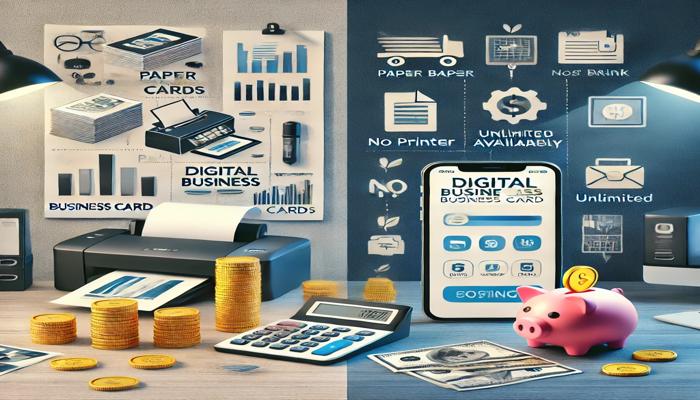
First impressions matter—but so does what comes after. In the digital age, exchanging information is no longer limited to paper. As networking evolves, so too must the tools we use to connect. Enter digital business card printing—an innovative blend of print design and smart tech that makes staying connected effortless, efficient, and future-proof.
Rethinking the Role of the Business Card
The traditional business card has long been a symbol of professionalism. Small, portable, and easy to distribute, it offered a quick way to share identity. But its limitations are increasingly clear: static information, no interactivity, and no way to measure whether the connection continued after the handshake.
With digital business card printing, those limitations disappear. These modern cards still serve as a physical point of contact, but they’re enhanced with digital layers that allow recipients to instantly access a dynamic profile, portfolio, or contact hub.
What Makes It “Digital”?
The innovation lies not in replacing the card, but in transforming what it can do. Digital business card printing refers to the process of producing printed cards that feature:
- Scannable QR codes: These direct users to custom landing pages, resumes, or social platforms.
- NFC technology: Enables instant contact sharing with just a smartphone tap.
- Interactive digital destinations: Video intros, downloadable brochures, booking links, or app installs.
Rather than forcing users to manually enter names and numbers, the card bridges the physical and digital worlds with just one interaction.
Benefits that Go Beyond the Surface
Personalization at Scale
You can design your digital business card printing experience based on who you’re meeting. Some platforms let you switch what your QR or NFC points to—a general profile for job fairs, a portfolio for clients, or a bio for speaking engagements. One card, multiple use cases.
Real-Time Updates
Unlike traditional cards, digital cards don’t become outdated with job changes. By updating the backend link, your contacts always see your latest information. That reduces the waste, cost, and hassle of printing new cards.
Measurable Impact
With certain tools, you can even view analytics—how many people scanned your card, what links they followed, and whether they downloaded your contact info. That data helps measure networking ROI, making your card a performance tool, not just a formality.
Creative Possibilities in Print
Design still plays a key role. Good digital business card printing balances aesthetics and interactivity. Some professionals choose minimal designs with bold QR placement, while others go for sleek textures, recycled materials, or even metal cards with etched chips.
What’s important is clarity. Make it obvious how to interact with the card—whether it’s “Scan Me,” “Tap to Connect,” or a simple icon. The digital component should feel like an invitation, not a puzzle.
Limitations and Considerations
As with any innovation, this approach comes with a few things to keep in mind:
- Tech awareness varies: Not everyone knows how to scan or tap a card, especially across generations.
- Internet dependence: Digital features require access to a smartphone and a stable internet connection.
- Privacy: Make sure your linked content is appropriate and secure, especially if your card is being widely distributed.
That said, most professionals today are digitally literate and welcome the convenience that digital business card printing offers—especially in tech-forward, creative, or client-facing roles.
Conclusion: A New Kind of Introduction
Networking is no longer just about sharing contact details—it’s about extending your presence beyond the moment. Digital business card printing empowers professionals to make smarter, stronger, and more sustainable connections in a world that never stops moving.
Whether you’re at a coffee meeting, a virtual summit, or a global trade show, your business card should do more than introduce you. It should represent you—fully, flexibly, and flawlessly.